
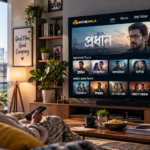








Documentary films once reached most viewers through festivals, public broadcasters or specialist cinemas. Streaming platforms have changed that path. A film about architecture, music, migration or forgotten history can now appear beside popular dramas and reach millions of homes within days. This wider access is changing how cultural debates begin, who participates in them and how quickly a local story can become an international conversation.
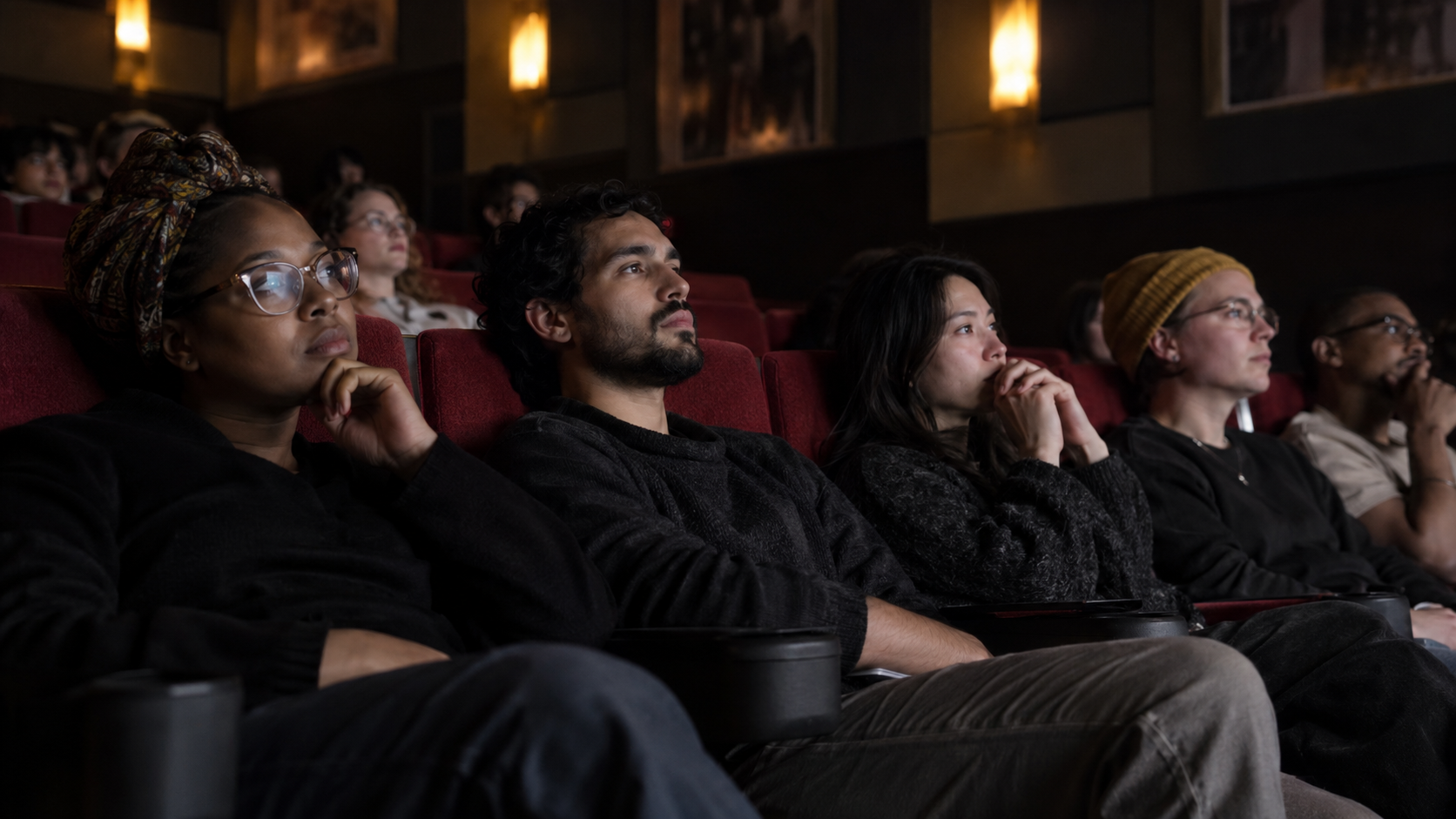
From Specialist Screenings to Shared Discovery
The most important shift is not simply the size of the audience. It is the way people discover nonfiction work. Recommendation systems place documentaries in front of viewers who may never search for them directly. A person watching a music series may be introduced to a film about an overlooked performer, while a travel program can lead to a story about language, food or cultural preservation.
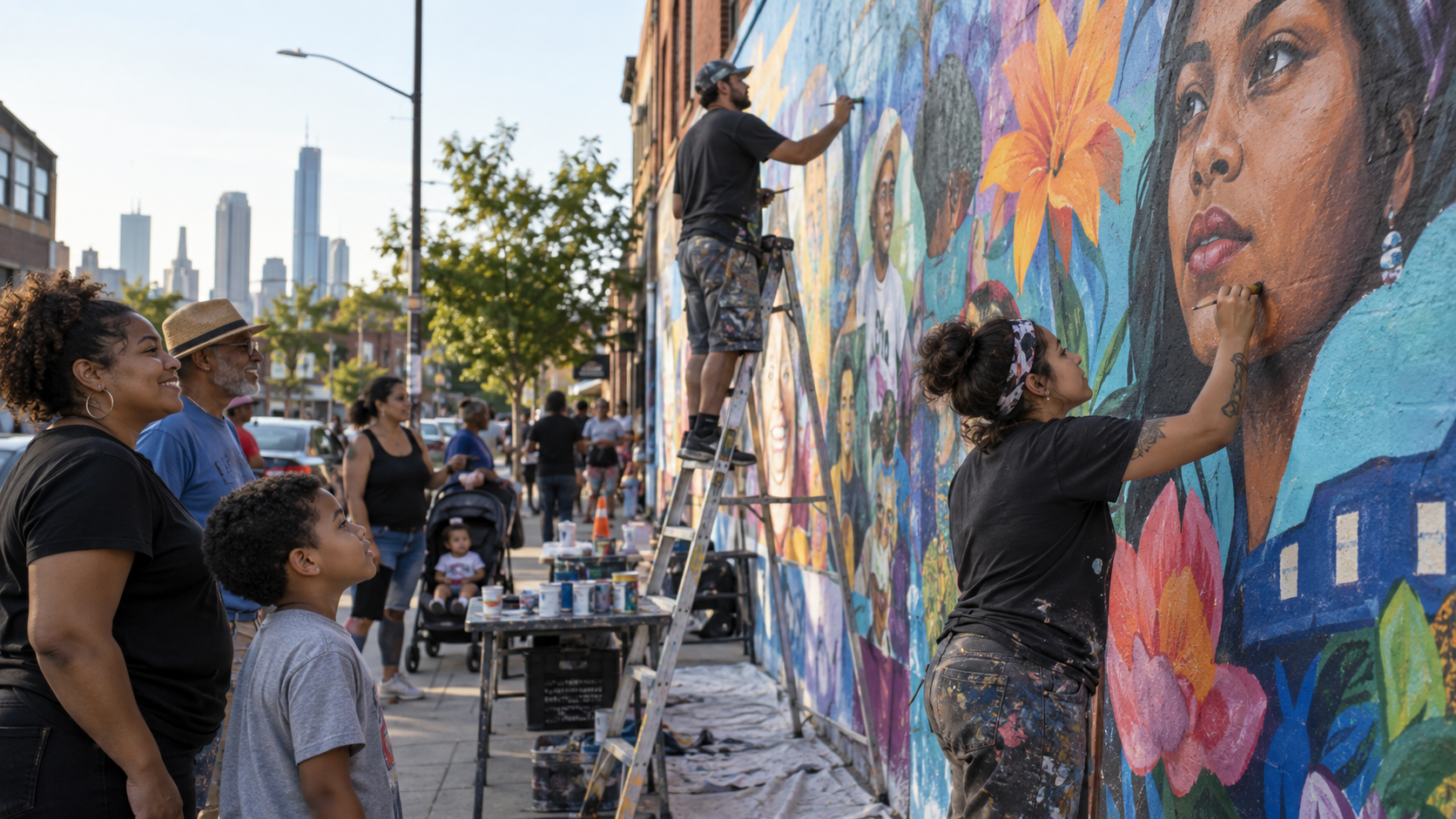
Social media extends the discussion beyond the closing credits. Viewers share scenes, question a director’s choices and compare the film with their own experiences. Teachers and community groups can organize conversations around a title that is available to participants at home. This makes documentaries useful cultural reference points, although short online reactions sometimes reduce complex subjects to a single dramatic moment.
Streaming has also created opportunities for filmmakers outside traditional production centers. Smaller crews can document regional traditions, emerging artists and communities rarely covered by large broadcasters. International distribution does not guarantee commercial success, but it can help a specific story find an audience scattered across several countries. Subtitles and accessible audio tracks further expand that reach.
Visibility Brings New Responsibilities
A large platform can give a documentary authority simply by presenting it professionally. Viewers may assume that every claim has been independently verified, even when a film uses reconstruction, advocacy or a strongly personal point of view. Responsible services should provide accurate descriptions, production details and clear age or content guidance. Filmmakers also need transparent methods when working with vulnerable contributors.
Another concern is permanence. Cultural debate moves quickly, but people filmed years earlier must live with renewed attention when an old title becomes popular. Ethical producers explain how footage may be distributed and consider whether updates are needed when circumstances change. Good documentaries invite curiosity rather than pretending to deliver the final word.
Streaming has made nonfiction storytelling part of everyday entertainment. Its cultural value will depend on more than viewing numbers. When platforms support diverse voices, viewers examine evidence and creators treat participants fairly, documentaries can connect personal experience with public history. They become not only content to watch, but a starting point for thoughtful conversation.