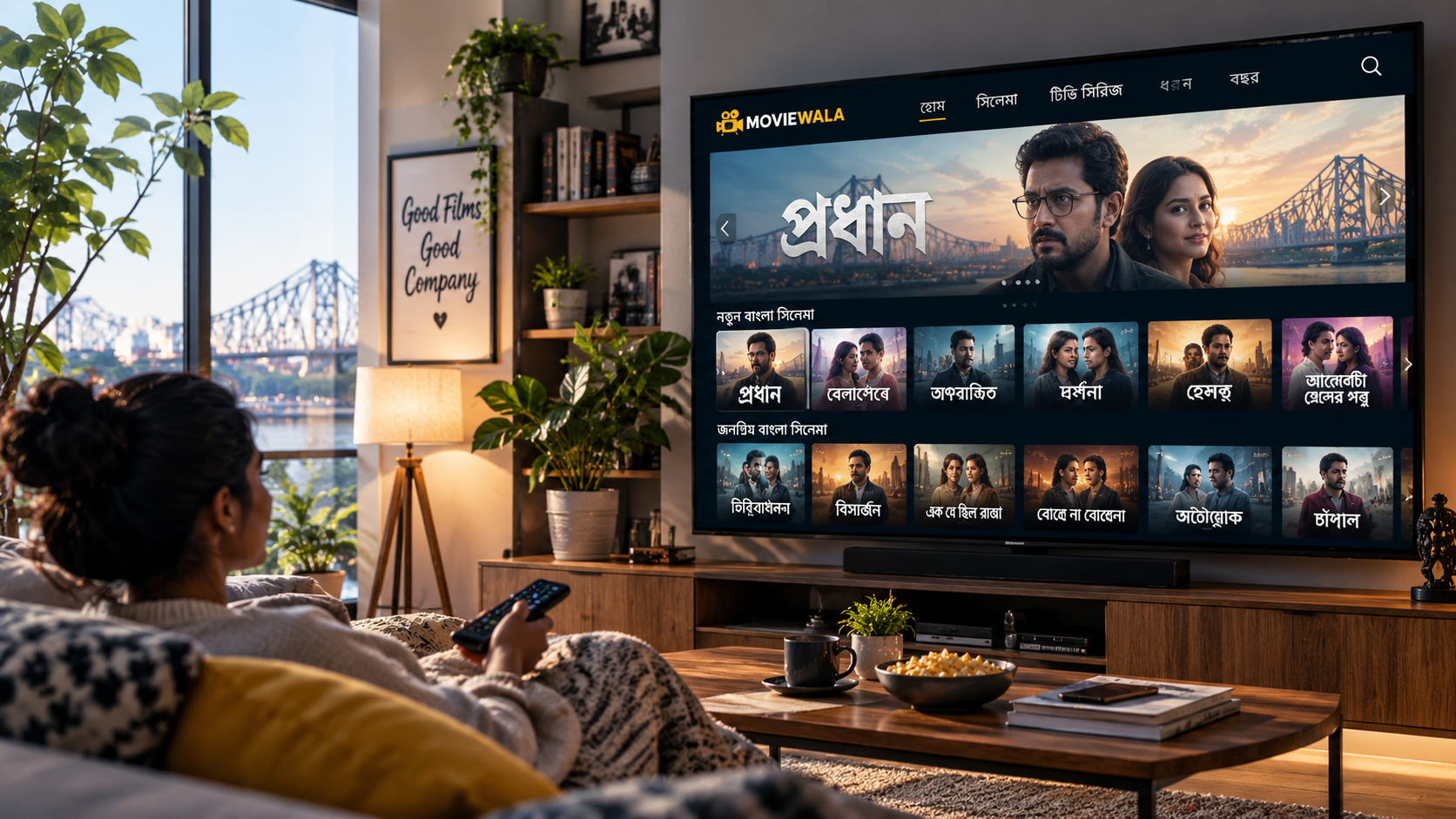










Short-form video has moved from a mobile trend into a serious influence on traditional television. Producers now study the pace, framing and direct language of vertical clips when developing news segments, entertainment formats and promotional campaigns. The change does not mean every television program should imitate a social feed. It shows that audience habits formed on phones are reshaping expectations across every screen.
Faster Storytelling Changes Production Choices
Viewers accustomed to short clips expect a clear subject quickly. Television editors are responding with stronger openings, tighter introductions and more visual explanations. A report that once began with a long studio introduction may now open at the location of the story. Producers also create several concise extracts from a longer interview, allowing audiences to discover the full program through social platforms.
Presenters are adapting as well. Direct eye contact, conversational delivery and simple backgrounds often work better on a small screen than formal studio language. Some broadcasters have built compact spaces where a journalist can record vertical and horizontal versions during the same session. This saves time while preserving the production standards expected from a professional newsroom.
Short-form platforms also act as testing grounds. A recurring topic that attracts thoughtful engagement may become a longer documentary or discussion program. Producers can observe which questions audiences ask and identify gaps in existing coverage. Popularity alone should not determine editorial priorities, but responsible audience research can reveal interests that traditional ratings overlook.
Context Must Survive the Shorter Format
The greatest risk is oversimplification. Complex subjects cannot always be reduced to a dramatic sentence or rapid montage. Clips removed from a longer interview may change the meaning of a speaker’s remarks. News organizations need clear editing rules, visible links to complete coverage and corrections that travel across every version of a story.
There is also pressure to copy trends that do not fit a broadcaster’s identity. Effects, music and exaggerated reactions may attract attention but weaken trust when used in serious reporting. The best short videos respect the audience’s time without treating viewers as impatient.
Traditional television and short-form video are becoming parts of one production system. Television offers depth, live coverage and shared viewing, while mobile clips provide discovery and immediate participation. Broadcasters that understand the strengths of both formats can reach younger audiences without abandoning accuracy, context or the visual quality that makes their work recognizable.