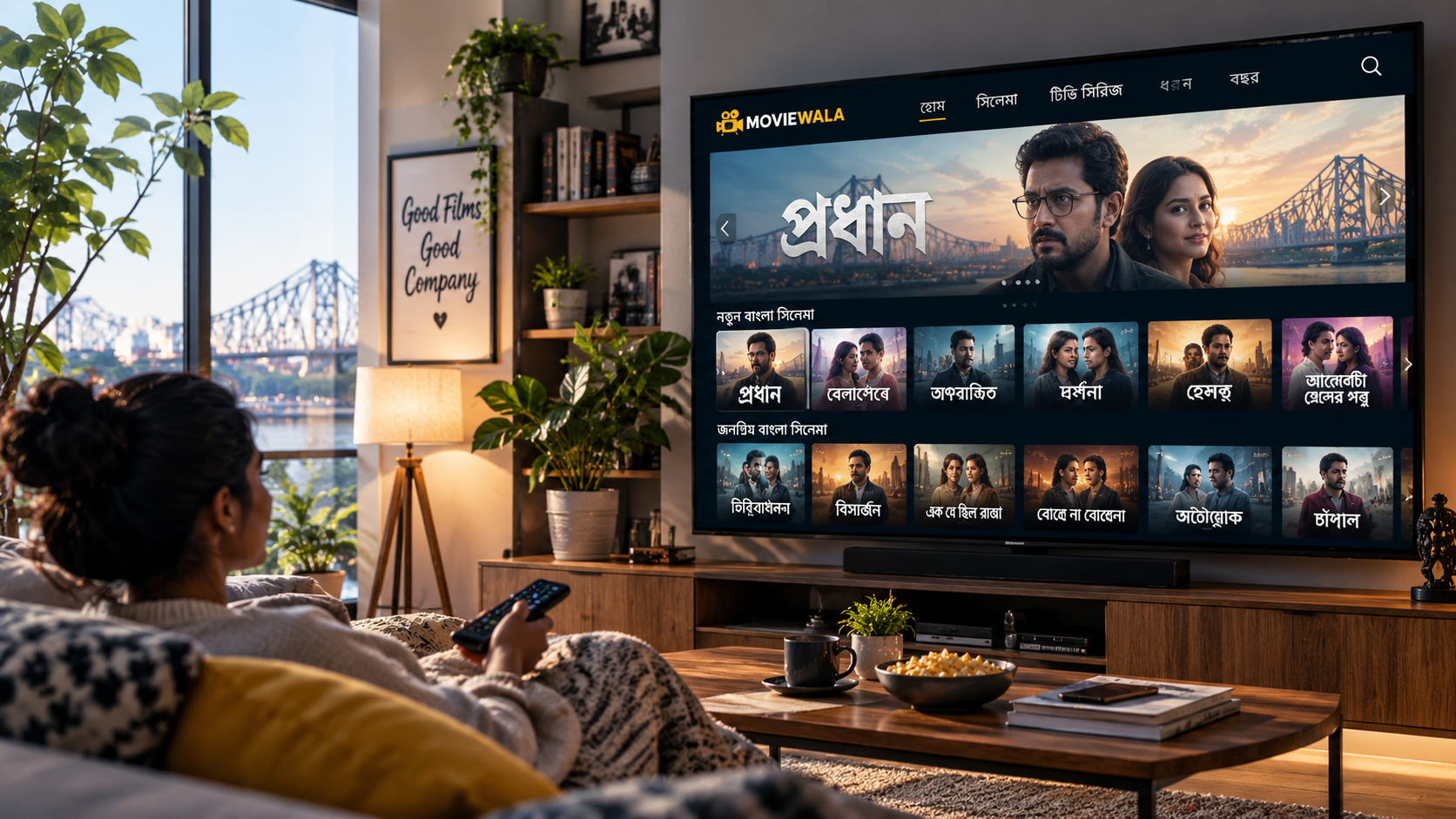









Television audiences can watch dramas, films and factual programs whenever they choose, yet live sports continue to bring millions of people to the same screen at the same moment. That shared urgency makes a match different from almost every other form of video. The result is a powerful position for leagues, broadcasters and streaming services competing for attention in an increasingly fragmented media market.
Live Viewing Creates a Rare Shared Moment
A recorded series can wait until the weekend, but a championship result loses much of its suspense once social media reveals the score. Fans therefore organize their schedules around live coverage. Families gather at home, friends meet in public venues and online communities react to every decision. Broadcasters value this concentration because viewers are less likely to skip commercial breaks or postpone watching.
The presentation is also evolving. Modern coverage combines the main television feed with instant statistics, alternative commentary and additional camera angles. Mobile devices allow viewers to follow a match while traveling, while connected televisions provide high-resolution pictures and immersive sound. The most effective services keep these options simple so technology supports the event instead of distracting from it.
Sports rights remain expensive, and rising costs create difficult choices. A broadcaster may gain subscribers from a major competition but struggle to recover the investment if several services divide the schedule. Fans become frustrated when they need multiple subscriptions to follow one team. Transparent packages and reliable local coverage can be more valuable than an overloaded platform with a few exclusive events.
Broadcasters Must Balance Access and Innovation
Free-to-air television still matters for national events and competitions with broad public interest. When important matches remain widely available, young viewers discover sports and smaller communities share a common experience. Paid services can complement that reach with specialist leagues, detailed analysis and archives, but excessive fragmentation risks shrinking the future audience.
Production teams are also using remote cameras, cloud editing and data visualization to reduce costs. These systems make it possible to cover regional competitions that once received little attention. Editorial judgment remains essential: graphics should explain the action, commentators should respect viewers and replays must not interrupt decisive moments.
Live sports will not preserve traditional television by themselves. They will, however, continue to influence how networks design schedules, how streaming platforms price subscriptions and how advertisers measure attention. The services that succeed will offer dependable pictures, clear access and storytelling that helps both dedicated fans and occasional viewers understand why the contest matters.