



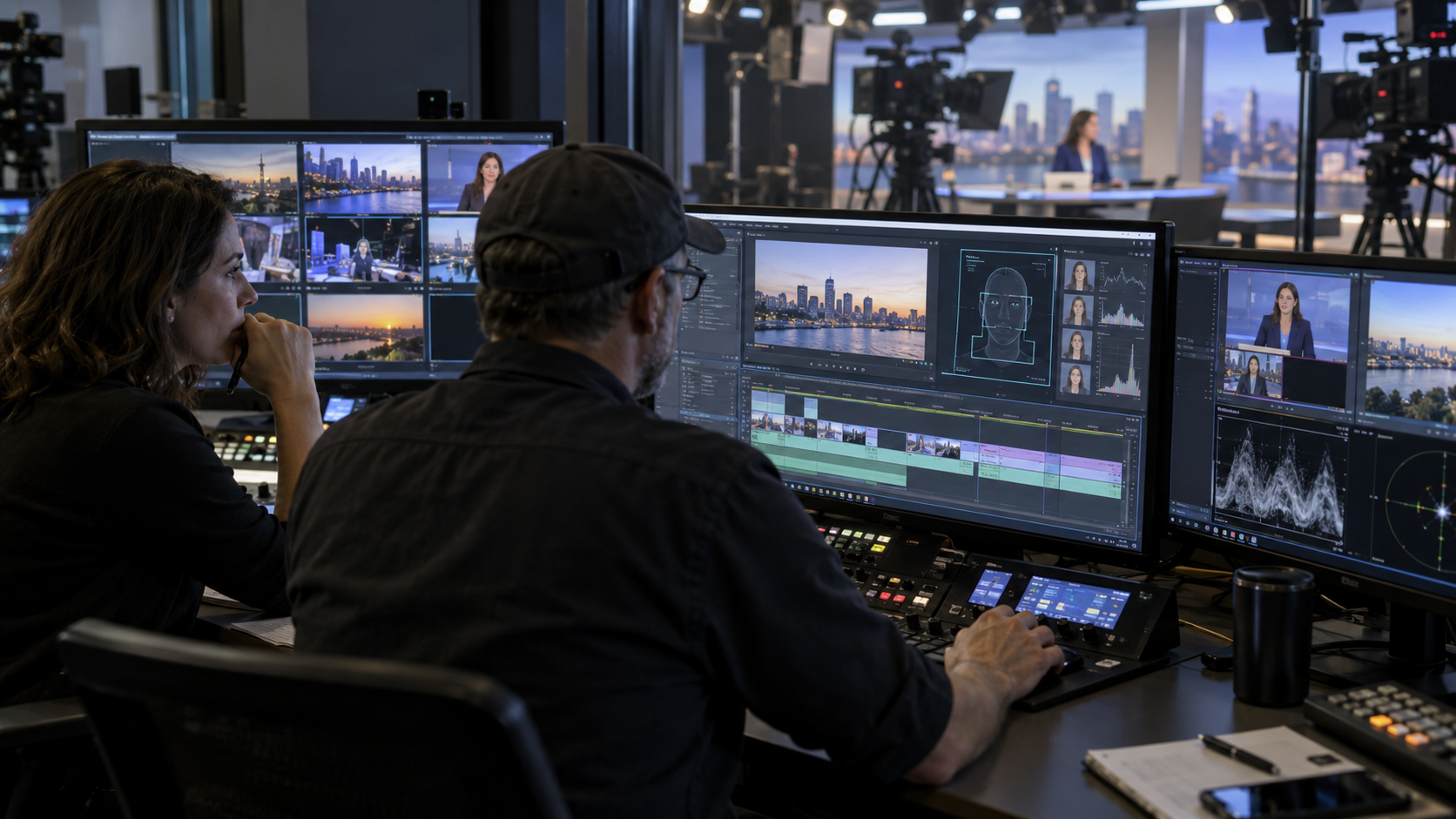

Virtual production is changing how film and television teams build locations, plan camera movement and combine physical performances with digital environments. Large LED walls can display responsive landscapes, city streets or interiors behind actors while cameras record the scene. The method does not eliminate traditional sets or location work, but it gives producers another way to solve difficult creative and logistical problems.
Digital Environments Become Part of the Set
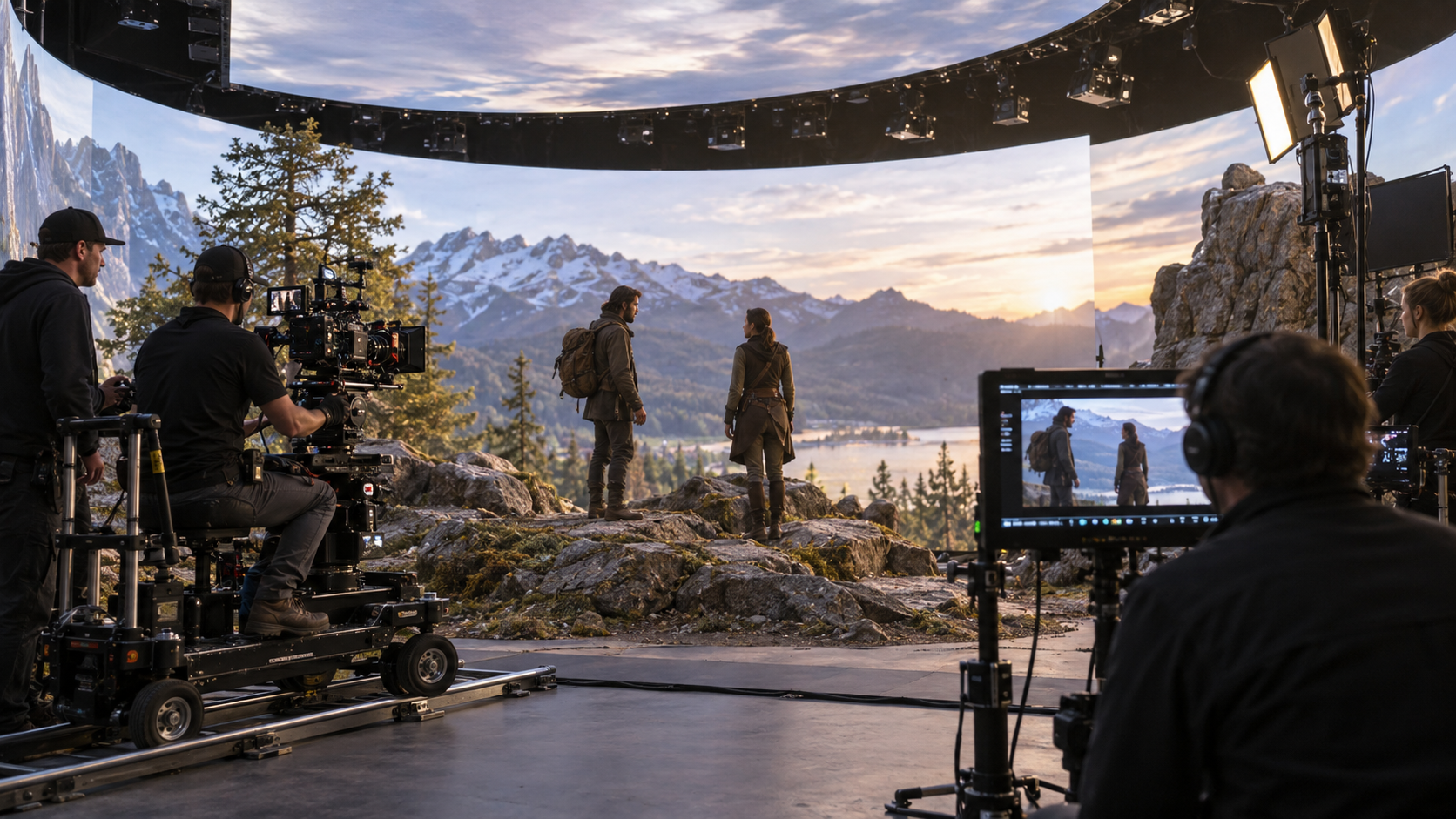
Unlike a simple background screen, a virtual stage can adjust perspective as the camera moves. The displayed environment behaves more like a real location, helping reflections and lighting feel consistent on camera. Actors can see the surroundings instead of imagining every detail, while directors evaluate a closer version of the finished image during production.
Planning becomes especially important. Designers, cinematographers and visual-effects teams must agree on environments before filming begins. Assets that once might have been completed months later are prepared early enough to appear on the stage. This front-loaded process can expose creative disagreements sooner and reduce costly changes after the cast has left.
The technology is useful when a location is unsafe, distant or available for only a short period. A production can capture reference material from a mountain landscape and recreate controlled lighting in a studio. Weather no longer stops every scene, and crews can film several times of day without waiting for natural conditions. Physical props and foreground elements still help performers interact naturally with the space.
Virtual Stages Require Skilled Teams
The equipment alone does not guarantee believable results. Poorly designed digital scenery, incorrect camera tracking or mismatched lighting can make an expensive sequence look artificial. Camera operators, technicians and artists need shared technical standards and enough rehearsal time. Smaller productions may use compact screens or projected environments rather than a large studio.
Virtual production can reduce travel and repeated set construction, but its environmental benefits depend on energy use, hardware and the complexity of digital assets. Producers should measure the complete workflow instead of assuming that every studio-based scene is automatically more sustainable.
The most promising future is a flexible one. Location photography, practical design and digital environments can support one another rather than compete. Used carefully, virtual production gives filmmakers greater control while protecting the spontaneity of performance. Its lasting value will come from creative preparation and skilled collaboration, not from treating the screen itself as the attraction.