





Captions have become an essential part of modern television rather than an optional extra. Deaf and hard-of-hearing viewers rely on them, but they are also used in noisy public spaces, quiet homes and mobile viewing. New speech-recognition systems can create captions faster than older workflows, helping broadcasters cover more live and recorded programs. The improvement is valuable only when speed is matched by accuracy and thoughtful presentation.
Automation Provides a Useful First Draft
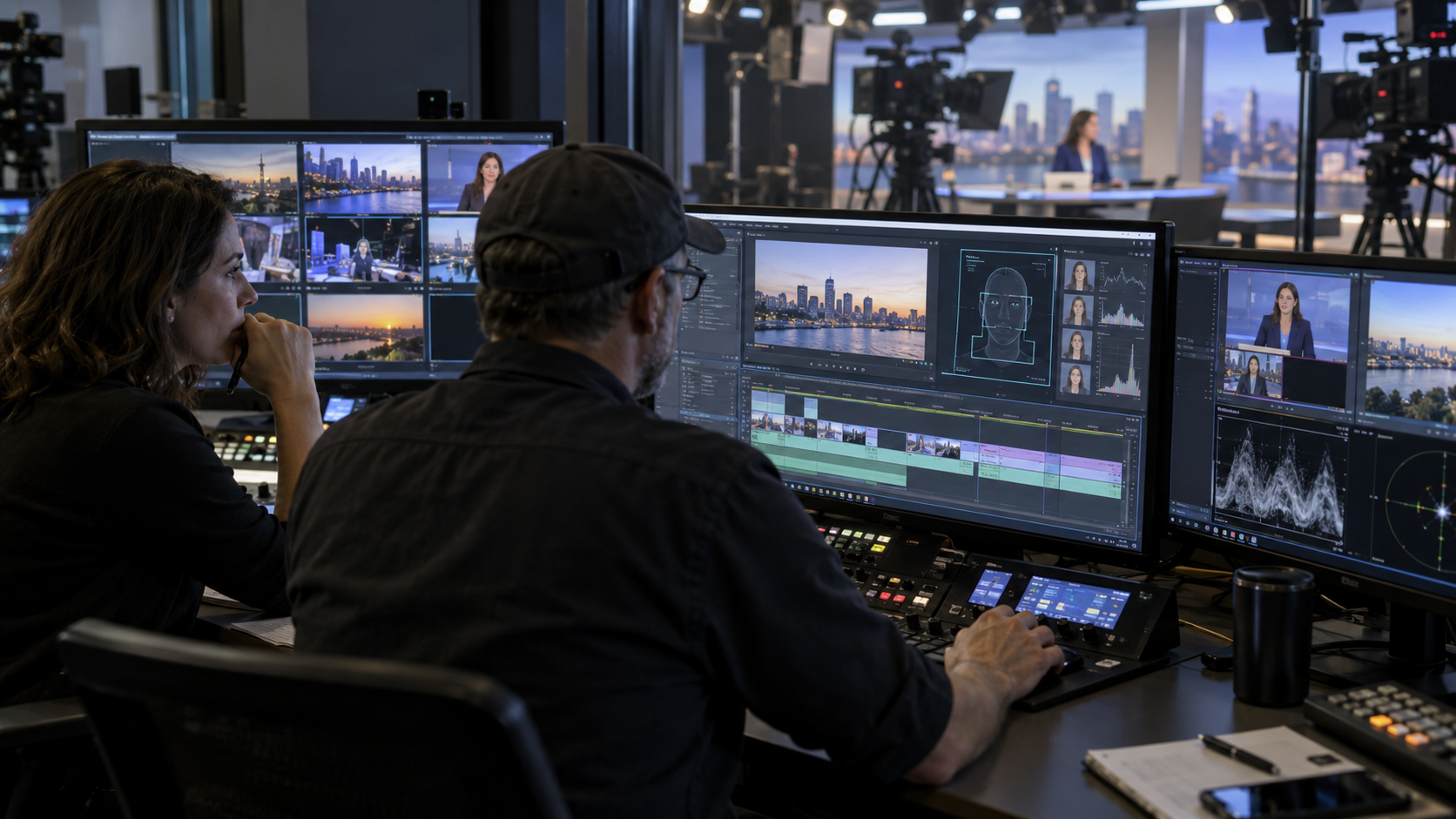
Modern captioning tools can identify speech, divide sentences and follow several speakers with impressive speed. For recorded programs, an editor can receive a timed transcript minutes after a file is uploaded. This reduces repetitive work and allows specialists to concentrate on names, technical language, punctuation and the meaning of difficult passages.
Live television presents a harder challenge. News, debates and sports contain interruptions, unfamiliar places and sudden changes in pace. Even a small delay can separate captions from the action. Broadcasters increasingly combine automated recognition with trained human captioners who correct errors, identify speakers and describe important sounds. This hybrid approach offers greater reliability than either method alone.
Good captions communicate more than spoken words. Music, laughter, alarms and changes in tone may be necessary to understand a scene. Placement matters too: text should not cover a speaker’s face, a scoreboard or an important graphic. Readable contrast and sensible line length help viewers follow the program without constantly searching the screen.
Accessibility Should Be Designed From the Start
Adding captions at the final minute often creates avoidable mistakes. Producers can improve results by preparing scripts, correct spellings and speaker lists before transmission. Editors should review captions on televisions and phones because a layout that works on one screen may fail on another. Clear responsibility for corrections is equally important.
Artificial intelligence can also support translation, but automatic output needs cultural and linguistic review. Literal wording may miss humor, regional expressions or sensitive context. Broadcasters serving multilingual audiences should work with qualified editors rather than presenting an unverified translation as complete.
Better captions benefit the whole audience and expand the reach of every program. They make information available in more situations and help viewers follow unfamiliar names or accents. The future of accessible television will depend on technology, but also on the people who set standards, listen to users and treat caption quality as part of the original production rather than an afterthought.